The Story of Hanover Parish

The “Little but Tallawah” Parish

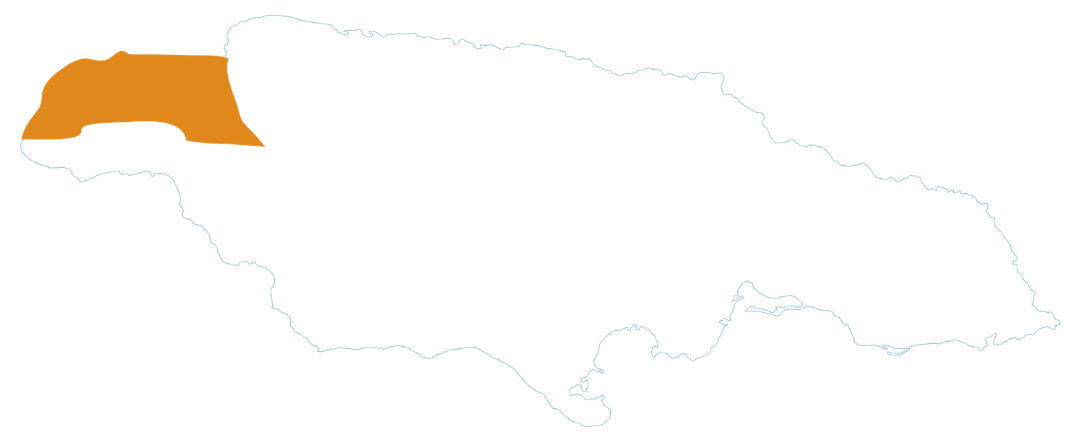
Hanover may be Jamaica’s smallest parish geographically, but its history, culture, and influence are immense.

For centuries, this north-western parish has been a cradle of leaders, scholars, athletes, artists, and innovators whose contributions have shaped Jamaica and reached across the globe. From political visionaries to Olympic champions, from universities to creative stages, Hanover’s impact is undeniable.

This is a parish where greatness is measured not by land but by the achievements of its people truly “Little but Tallawah.”

Leaders and Visionaries

Prime Ministers and National Heroes

Hanover has a long legacy of developing some of Jamaica's greatest national Heroes and Prime Ministers.

Diplomats and Civic Leaders

Hanover has raised leaders who have represented Jamaican with distinction on the global stage.

Scholars, Professionals, and Innovators

Hanover has a long legacy of developing some of Jamaica's greatest National Heroes, icons, civil servants and Prime Ministers.

Sporting Excellence

Hanover sports men and women are iconic and have truly made Jamaica proud.

Arts, Writers, and Cultural Voices

Hanover is a parish of storytellers and creators.

Schools of Distinction

Hanover's educational legacy is built on a foundation of excellence, community, and pride. Rusea's High School in Lucea, established in 1777, is one of Jamaica's oldest continuously operated high schools, born from the generosity of a French refugee who willed his estate to the people of Hanover. Over 240 years later, the school has produced more than 200,000 graduates who have excelled in all walks of life.

Green Island High School has steadily become a trendsetter in academics and extracurricular activities, maintaining its motto of "Excellence" for over five decades.

Rhodes Hall High School is recognised as one of the best-kept schools in western Jamaica, distinguished by its strong discipline, family-oriented culture, and achievements in academics and innovation. Together, these three institutions reflect Hanover's unwavering commitment to shaping the next generation.

The Lucea Clock Tower – Hanover’s Icon

The Lucea Clock Tower is often compared to London's Big Ben — not for size, but for symbolic importance. Originally intended for Saint Lucia, the clock arrived in Lucea by accident. A sea captain carrying the clock — a gift from Germany to the people of St. Lucia — confused the two similarly named destinations and delivered it to Lucea instead. The people of Hanover refused to let go of the clock and made up the difference in cost through public subscription. A German landowner in the parish also offered to erect the tower, provided he had a free hand in its design. The clock was installed in 1817, crowned by a helmet resembling that worn by the German Royal Guard. Residents installed it in the town square, and it became a community landmark. For over a century, it has been a meeting place, a witness to history, and a symbol of the parish's identity — proof that happy accidents can shape a community forever.

Lucea Harbour– Hanover’s Historic Gateway

Nestled along the northwestern coast of Jamaica, Lucea Harbour is one of Hanover's most important natural and historic treasures. Situated along a horseshoe-shaped bay, considered one of Jamaica's safest natural harbours, Lucea has stood at the centre of Hanover's story for centuries.

The shape of Lucea's harbour made it one of the island's safest and most useful ports. The harbour is almost enclosed from the open sea, with a relatively narrow entrance leading into a broad, protected basin. This natural protection was one of the reasons Lucea developed into an important maritime and commercial centre. The harbour was considered one of the finest on Jamaica's north coast and was capable of receiving large vessels.

Lucea Harbour– A Port of The Colonial Era

The story of Lucea Harbour is deeply connected to the colonial development of Hanover and the plantation economy.

By the eighteenth century, the surrounding countryside had become an important sugar-producing region. By 1768, Hanover was home to 71 sugar plantations, and Lucea became a vibrant trade port exporting sugar, rum, and other goods. In 1776, sugar and rum from estates in the surrounding districts were being exported through Lucea to the rest of the world. Over time Lucea became one of Jamaica's most important colonial ports, exporting sugar, rum, bananas, livestock, and Lucea yams to the Americas and Europe.

In its prime, the town was even busier than nearby Montego Bay, attracting merchants, sailors, and settlers from across Europe and beyond. Historical accounts also describe Lucea as a centre for trade. These records show that the colonial port was involved in the darker realities of that period, including the movement and sale of enslaved Africans.

The harbour therefore became more than a natural feature. It was an economic gateway, connecting the plantations and communities of Hanover with markets beyond Jamaica. It shaped Hanover's economy, culture, and global connections for generations. One particularly valuable historical image shows Lucea Harbour between approximately 1750 and 1790, with sailing vessels anchored in the harbour. It provides a remarkable visual reminder of what this waterfront looked like during the colonial period.

Lucea Harbour– Fort Charlotte Guardian Of The Harbour

Standing at the entrance to Lucea Harbour is Fort Charlotte, built by the British in the eighteenth century to defend the harbour and surrounding coastline. The fort was originally known as Lucea Fort and was constructed in the mid-eighteenth century. It was later named Fort Charlotte in honour of Queen Charlotte.

Its strategic position overlooking the harbour demonstrates just how important Lucea's port had become. The fort and harbour therefore belong to the same story, one of colonial importance with the fort standing watch over the harbour.

Lucea Harbour– From Sugar And Rum To Bananas and Molasses

Lucea's importance did not end with the sugar era. The harbour continued to serve the parish, with exports into the twentieth century that included bananas, molasses and woods used in dye production. Goods such as lumber and rice were also  imported. A deep-water pier was later constructed, particularly supporting the shipment of molasses, an important by-product of the sugar industry.

As Hanover's economy changed following Emancipation, agriculture diversified. In the post-emancipation era, the famous Lucea yam was exported to Colón and Cuba, sustaining Jamaican communities who had migrated to work on the Panama Canal and on plantations abroad. 

Lucea Harbour– A Safe Haven For Ships

Lucea Harbour's natural protection remained important long after the colonial period. During the devastating 1951 hurricane, ships from Kingston and Montego Bay sought refuge in Lucea Harbour because of its reputation as one of Jamaica's safest harbours. 

Lucea Harbour– The End Of An Era

Although Lucea continued to have an important maritime role well into the twentieth century, commercial activity eventually declined. The port was closed in 1983. But the closing of the port did not erase its significance. The harbour remains an important part of Lucea's identity, landscape and history.

Today, when people look across those waters, they are looking at a place where sailing ships once anchored; sugar and rum were shipped; bananas left Hanover for overseas markets; molasses was loaded for export; ships sought shelter during hurricanes; Fort Charlotte guarded the entrance; and generations of Hanoverians lived and worked around the waterfront.

Lucea's Harbour Today

Today, Lucea Harbour stands at an interesting point in its history. Old docks and warehouses remain, telling stories of merchants, sailors, and centuries of maritime trade — a living reminder of Lucea Harbour's remarkable place in Caribbean history. It is both a heritage site and an opportunity. Its natural beauty, sheltered waters, historic town, Fort Charlotte and connection to the wider Hanover coastline give it enormous potential for heritage and marine tourism.


Communities with Character

Hanover's coastline is dotted with beautiful coves, each with its own character, history and community story. Among these are Davis Cove and Cousins Cove, two neighbouring coastal communities along the road between Green Island and Lucea. Historical and geographical sources identify both as part of Hanover's coastal landscape.

Cousins Cove

Cousins Cove is one of Hanover's most intriguing coastal communities. Located west of Lucea on the road towards Negril, it sits where sea, limestone and community come together. Historical records show it was already recognised in the parish as far back as 1776.

But the story doesn't stop at the shoreline. Rat Bat Cave is one of the natural treasures associated with the area, and the Jamaican Cave Register also records two caves at Cousins Cove in Green Island. Inside, stalactites, stalagmites and other limestone formations — shaped slowly by water and time — create patterns that look almost sculptural, drawing tourists and adventurous visitors alike.

Above ground, the Caribbean Sea. Below ground, a world of limestone, darkness and water. The sea tells one story; the cave tells another. Together they make Cousins Cove a rewarding destination for adventure, nature and community tourism.

Davis Cove

Davis Cove sits in the Green Island area of Hanover, along the coastal road linking Green Island and Lucea. Historical records show it was already a recognised place in the parish by the nineteenth century, and the name is traditionally associated with a prominent Hanover family.

Today it remains a place where community life and the sea exist side by side — home to families, churches, schools and small businesses, with Davis Cove Seventh-day Adventist Church standing as a familiar local landmark. Green Island High School serves the wider community nearby, making this coastline part of the everyday environment for generations of students.

For visitors, Davis Cove offers something different from Jamaica's developed resort areas: a genuine coastal community, local culture, traditional fishing life, and the quiet beauty of Hanover's shoreline.

This is Hanover's coastline in its community form — beautiful, familiar, and deeply connected to the people who call it home.

Animal Hill

Tucked into the hills of Hanover, Animal Hill carries one of the parish's most memorable names — and the story behind it belongs entirely to the people who live there. The district is said to have taken its name from residents whose surnames were animal names:  Hogg, Deer, Lamb, Stair, Mairs, Wolf and Lyons. 

Walking here is like stepping into living history, with family stories and traditions being passed through generations. The names on the gateposts and headstones are the same names that gave the place its identity, and family stories, sayings and traditions.

Animal Hill is not a monument or a manicured attraction. It is a working Hanover community — quiet, green, and proof that in this parish, place names are family names, and history is still being lived every day.

Agriculture and the Lucea Yam

The fertile soils of Hanover produce yams renowned across Jamaica and the Caribbean. The Lucea yam is prized for its taste, size, and versatility — a symbol of the parish’s agricultural richness and heritage.

The Truth About Hanover

Hanover may be small on the map, but its impact is extraordinary. From Prime Ministers and diplomats to scholars, medical pioneers, journalists, athletes, and artists, Hanover has shaped Jamaica and the world. Its historic towns, unique communities, rich agriculture, cultural traditions, and natural beauty* make it a parish full of story, pride, and character.
Hanover is, and always will be, “Little but Tallawah.”

Natural Treasures

Dolphin Head Mountains

Rising near Lucea in the heart of Hanover, the Dolphin Head Mountains are shaped like a dolphin diving into the sea. Home to endemic plants, birds, and wildlife, Dolphin Head Mountains offer panoramic hiking views of the north coast and Caribbean Sea. The Dolphin Head Forest Reserve boasts an astonishing 32.5% rate of plant endemism, making it one of the most valuable terrestrial habitats in the Caribbean.Twenty-one of Jamaica's 28 endemic land birds are found here— a true natural treasure in Hanover's own backyard.

Bulls Bay

Bulls Bay is one of the picturesque coastal bays of Western Hanover, located a short distance from Lucea. The area has long been associated with the local communities along Hanover’s coastline and remains a beautiful example of the parish’s natural coastal heritage.

Nestled within a welcoming community, Bulls Bay offers a beautiful beach and a peaceful coastal setting. Its natural beauty makes it one of those places that reminds us that Hanover’s treasures are not only its famous attractions, but also the quieter bays known and loved by local people.

Orange Bay

Further west along the Hanover coastline, closer to Negril, is Orange Bay. Unlike some of the more heavily visited coastal areas, Orange Bay has remained relatively quiet and less developed.

Orange Bay is a hidden treasure—peaceful, naturally beautiful and largely untouched by the bustle of major tourism. Its quieter character offers a glimpse of Hanover’s coastline before extensive development, making it an important part of the parish's natural heritage.

Bloody Bay

Bloody Bay, near Negril, carries a fascinating mixture of documented history and local legend. Historical accounts connect the area with the capture of the notorious pirate John "Calico Jack" Rackham in 1720, after he was surprised by Captain Jonathan Barnet.

The name itself, however, is more often linked to the bay's whaling history. During the nineteenth century whales were caught and processed here, with accounts describing the sea turning red with blood. The bay therefore carries both a maritime past and a colourful pirate legend.

Local memory recalls the name Calico Jack in another way too — as a drink associated with old Negril. That piece of the story belongs to the oral history of the area and is worth preserving as part of Negril's cultural memory.

Today, Bloody Bay is one of the jewels of Western Hanover's coastline. Its calm, beautiful waters are enjoyed by families, swimmers, boaters, snorkellers and divers, and it forms part of the wider Negril coastal experience the region is known for.

Peggy Bay

Peggy Bay is tucked away in the Green Island area, near the Princess Hotel property. For many years, it remained something of a hidden treasure—even people living nearby were not always aware of this beautiful little bay.

The origin of the name “Peggy Bay” is an interesting piece of local history still waiting to be fully uncovered. Who was Peggy? Was the bay named after a person, a family, or an event?

Peggy Bay is a quiet and beautiful coastal gem. Visitors staying at the Princess Hotel can catch glimpses of the bay, but its secluded character gives it a special charm. It represents the kind of hidden coastal beauty that makes exploring Hanover so rewarding.

Tourism: Resorts and Luxury Villas

Hanover’s north coast is home to world-class resorts.

Grand Palladium Jamaica Resort & Spa

Nestled on the pristine shores of Lucea, the Grand Palladium Jamaica Resort & Spa is a luxury all-inclusive destination overlooking glistening white sands and warm Caribbean seas. Sitting on a private white sand beach, the resort features five outdoor pools, a water park, ten dining options, and a full-service spa. Whether you're seeking adventure on the water or pure relaxation, Grand Palladium delivers world-class hospitality right here in Hanover.

Azul Beach Resort

Set on the soft sands of Seven Mile Beach, Azul Beach Resort Negril by Karisma captures the easy rhythm of island life, blending Caribbean charm with oceanview suites and authentic local flavours.The resort features six restaurants, four swim-up bars, and a world-class spa, offering guests a gourmet all-inclusive experience with activities ranging from kayaking to reggae dance classes — all against the backdrop of Jamaica's world-famous western shoreline.

Sandals Negril

Set right on the water along the widest stretch of Jamaica's famous Seven Mile Beach, Sandals Negril is a perfect spot to lose track of time.This adults-only, all-inclusive resort features eight dining establishments and the Red Lane Spa, offering a wide range of treatments incorporating local ingredients. With legendary sunsets, unlimited premium beverages, and a casually elegant atmosphere, Sandals Negril defines romantic Caribbean escape at its finest.

Hedonism II

An all-inclusive, adults-only resort tucked into a quiet, secluded section of Negril's Seven Mile Beach, Hedonism II is famous for its liberating, clothing-optional environment to accommodate different comfort levels. Guests enjoy five top-shelf bars, five gourmet restaurants, and a wide range of water and land sports — all in a famously judgment-free atmosphere that has made Hedonism II one of the Caribbean's most distinctive and talked-about resorts.

Tryall Club

The Tryall Club is an ultra-exclusive 890-hectare resort on Jamaica's northwest coast in Hanover, anchored by a Ralph Plummer-designed championship golf course long regarded as one of the Caribbean's finest. The prestigious Johnnie Walker World Championship was held here for five consecutive years from 1991 to 1995, attracting legends like Nick Faldo, Ernie Els, and Fred Couples.With nearly four kilometres of private waterfront and stunning ocean vistas, Tryall represents Hanover at its most exclusive.

⁠Round Hill Hotel & Villas

The historic Round Hill Hotel and Villas opened in 1952 on a 100-acre peninsula in Hopewell, Hanover, and has entertained celebrated guests including John F. Kennedy, Ralph Lauren, and Paul Newman. Rooted in history and offering impeccable service with a warm Jamaican heart, the resort features Ralph Lauren–designed interiors and stunning oceanfront villas. Roundhill, known for its world-class golf course, is a timeless jewel that has shaped Hanover's identity as a destination for discerning travellers for over seven decades.

The Truth About Hanover

Hanover may be small on the map, but its impact is extraordinary. From Prime Ministers and diplomats to scholars, medical pioneers, journalists, athletes, and artists, Hanover has shaped Jamaica and the world. Its historic towns, unique communities, rich agriculture, cultural traditions, and natural beauty* make it a parish full of story, pride, and character.
Hanover is, and always will be, “Little but Tallawah.”
 
People First. Progress Always.
Hanover Western
Contact
Subscribe to our Hanover Western newsletter
The latest news, projects, and resources, sent to your inbox.
© 2026 Hanover Western MP. All rights reserved.